Why We Only See What We Want to See
Have you ever noticed that once you’re focused on a specific thought or belief, the world around you starts confirming it?
You meet people who agree with you, stumble upon content that supports your opinion, and suddenly everything seems to validate what you already believe. This isn't intuition or coincidence, it's called confirmation bias.
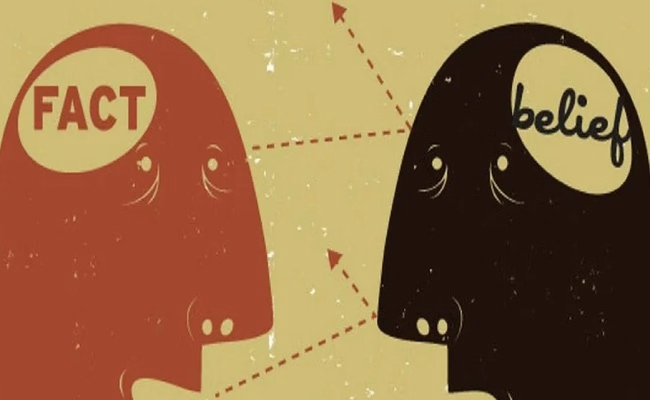
Confirmation bias is your brain's tendency to favour information that confirms what you already believe, while ignoring or rejecting anything that challenges it. It's like wearing mental blinders — not to deceive others, but to protect yourself from uncertainty. You aren't seeking the truth; you're seeking emotional safety.
Why does your brain do this?
The answer lies in your emotional command centre, the amygdala. It's designed to detect danger and trigger fear responses. It doesn't differentiate between a physical threat and a psychological one. So when you're confronted with a belief that contradicts what you already hold, your brain feels a threat. It's called cognitive dissonance. This is the mental discomfort of holding two conflicting ideas at once. And guess what your brain does? It avoids that discomfort by doubling down on what it already believes. It starts filtering out opposing views and highlighting supporting ones.
This mechanism is so powerful that we often go to irrational extremes to defend our beliefs. We argue with people we love. We break relationships. We dismiss scientific evidence. In some cases, we even sacrifice our well-being or lives to protect a belief that's tied to our identity or group loyalty.
Confirmation bias doesn't mean you're stupid. It means you're human. But to grow, you have to fight it. You have to challenge your own views with the same intensity you question others.
Because the first real act of intelligence isn't proving yourself right,
It's daring to consider you might be wrong and accepting it.